





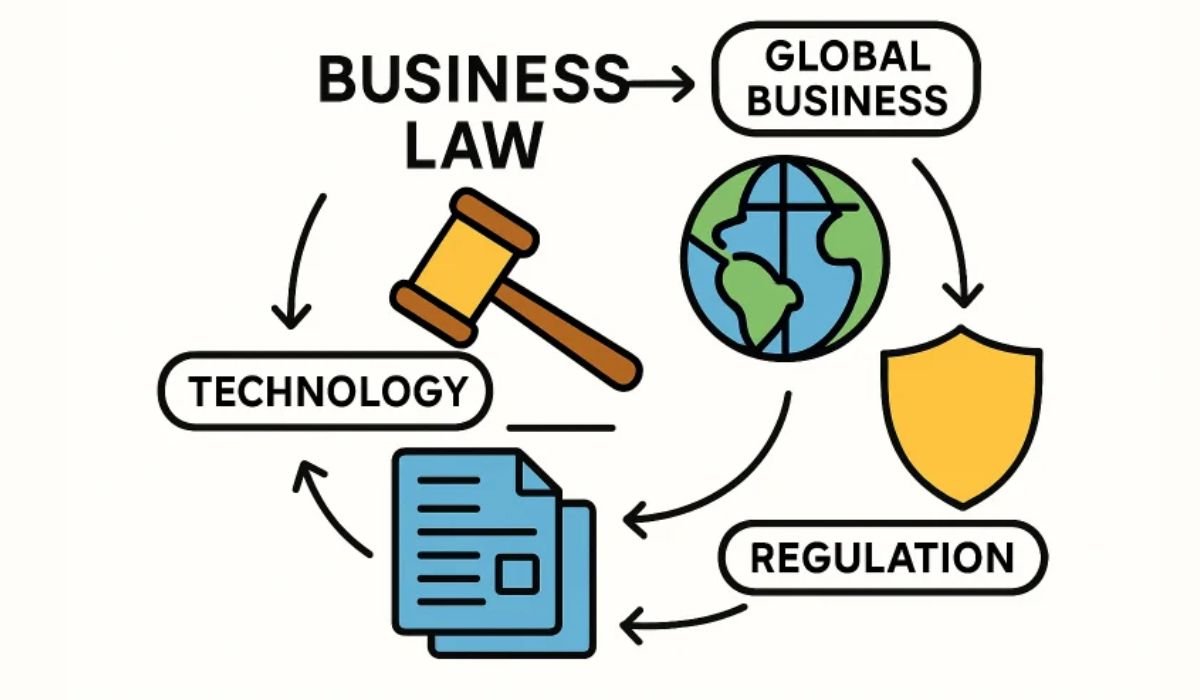
The intersection of technology, regulation, and global business demands is driving rapid transformation in business law. From artificial intelligence to enhanced transparency requirements, modern enterprises face a complex legal landscape requiring adaptive strategies and forward-thinking compliance. Partnering with a knowledgeable business lawyer Portland, OR ensures enterprises remain prepared for these emerging shifts.
Understanding legal trends is crucial for organizations expanding, entering new markets, or adopting digital resources, as it helps safeguard business and seize opportunities. Legal adaptability has become vital for sustainability and growth, affecting risk management, governance, and reputation. Staying informed allows companies to handle regulatory changes efficiently and build trust among consumers focused on sustainability, data protection, and ethics. Ignoring these trends risks compliance issues and penalties. Proper legal guidance enables resilient frameworks that adapt to legal and public expectations, supporting decision-makers in navigating challenges and opportunities in a competitive landscape.
AI Integration in Legal Practices
Artificial Intelligence (AI) is increasingly woven into the operations of legal departments and law firms, fueling efficiencies in research, contract analysis, and compliance monitoring. AI tools now manage routine, labor-intensive tasks, such as document review and litigation discovery, thereby reducing costs and freeing highly skilled professionals for strategic work. However, these advances are double-edged; concerns about bias in AI algorithms and the ethical use of AI are growing, with regulators and industry leaders calling for increased transparency and oversight.
AI is also influencing corporate governance, as leadership teams seek ways to implement responsible AI strategies aligned with evolving legal frameworks.
Emphasis on ESG Compliance
Environmental, Social, and Governance (ESG) criteria are rapidly becoming foundational to business law practice. Investors and consumers expect more than simple profit performance—they demand responsible corporate behavior and transparent disclosure of ESG activities. This trend is particularly prominent among large enterprises and publicly traded companies, but it is increasingly being adopted by mid-sized and small organizations as regulatory bodies expand their oversight.
Embedding ESG principles into corporate policy also influences stakeholder relations, supply chain management, and risk disclosures in annual reports and filings. Failing to account for ESG regulations may result in penalties and loss of investor trust. Organizations that prioritize ESG compliance create competitive advantages in securing both capital and talent.
Evolution of Business Courts
As commercial transactions become increasingly complex, American states and international jurisdictions are establishing specialized business courts to adjudicate corporate disputes efficiently. These forums are staffed by judges who are experts in multifaceted areas like mergers and acquisitions, trade secrets, and antitrust laws. Notably, Utah’s new Business and Chancery Court—a model now being considered in other states—promises expedited proceedings and more predictable judgments for corporations. The rise of these tailored courts marks a shift toward nuanced, industry-specific adjudication, as opposed to traditional, generalist dockets.
READ ALSO: integremos: The Ultimate Solution for Business Integration
Cybersecurity and Data Protection
Data breaches, ransomware, and evolving cyber threats pose significant risks to businesses of all sizes. Governments around the world are responding with comprehensive legal frameworks that impose strict requirements for data handling, breach notification, and consumer consent. The Digital Personal Data Protection (DPDP) Act, 2023, in India, and the European Union’s General Data Protection Regulation (GDPR) are leading examples, shaping global standards and influencing U.S. policy.
Proactive compliance encompasses not only technical implementation but also updated internal protocols, employee training, and diligent record-keeping. High-profile enforcement actions underscore the real financial and reputational consequences of non-compliance.
Rise of Freelance Legal Services
Flexibility and specialization define today’s legal workforce. Freelance attorneys, contract paralegals, and on-demand legal consultants provide businesses with rapid access to niche expertise, eliminating the overhead associated with full-time hires. Law firms and in-house teams are increasingly supplementing their core staff with project-based talent, efficiently scaling resources in response to fluctuating workloads, regulatory updates, or specific litigation needs. This approach extends advanced legal support to mid-sized firms and startups that might otherwise lack such resources.
Legal Tech Innovations
Beyond AI, the broader legal tech revolution encompasses the adoption of Small Language Models (SLMs), which streamline document drafting and analytics while providing greater privacy controls. Workflow management software and e-discovery solutions expedite due diligence for mergers, acquisitions, and regulatory reviews. These technologies lower barriers to entry for smaller firms, enabling them to compete with larger organizations and develop more client-centric service models. As these digital tools evolve, so do the legal risks and regulatory considerations of their implementation and use.
Corporate Transparency Requirements
Governments are enacting laws aimed at uncovering shell companies, preventing fraud, and combating money laundering. The U.S. Corporate Transparency Act requires businesses to disclose detailed information about their ultimate beneficial owners, representing a new era of reporting mandates. Noncompliance can result in substantial penalties; therefore, enterprises must implement robust systems for accurately tracking, documenting, and reporting ownership information. Increased transparency also supports fair competition and investor confidence by leveling the commercial playing field.
Conclusion
Navigating the evolving terrain of business law is essential for every modern enterprise hoping to thrive in a tightly regulated and technologically advanced economy. Proactive adaptation to trends such as AI, ESG compliance, specialized business courts, data protection, flexible legal work arrangements, advanced legal technology, and increasing transparency mandates is non-negotiable. Enterprises that stay ahead of these changes secure compliance, foster greater customer and investor trust, and position themselves for sustainable growth in a world where legal agility is a core competitive asset.
YOU MAY ALSO LIKE: Financial Strategies for Small Business Success