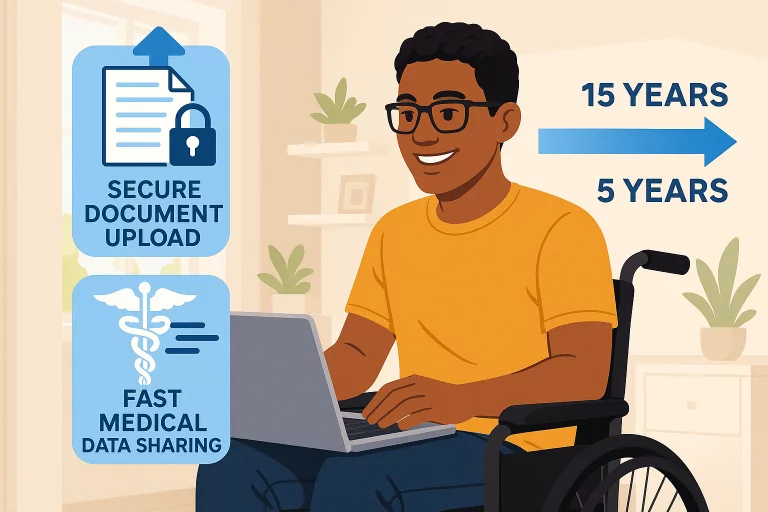





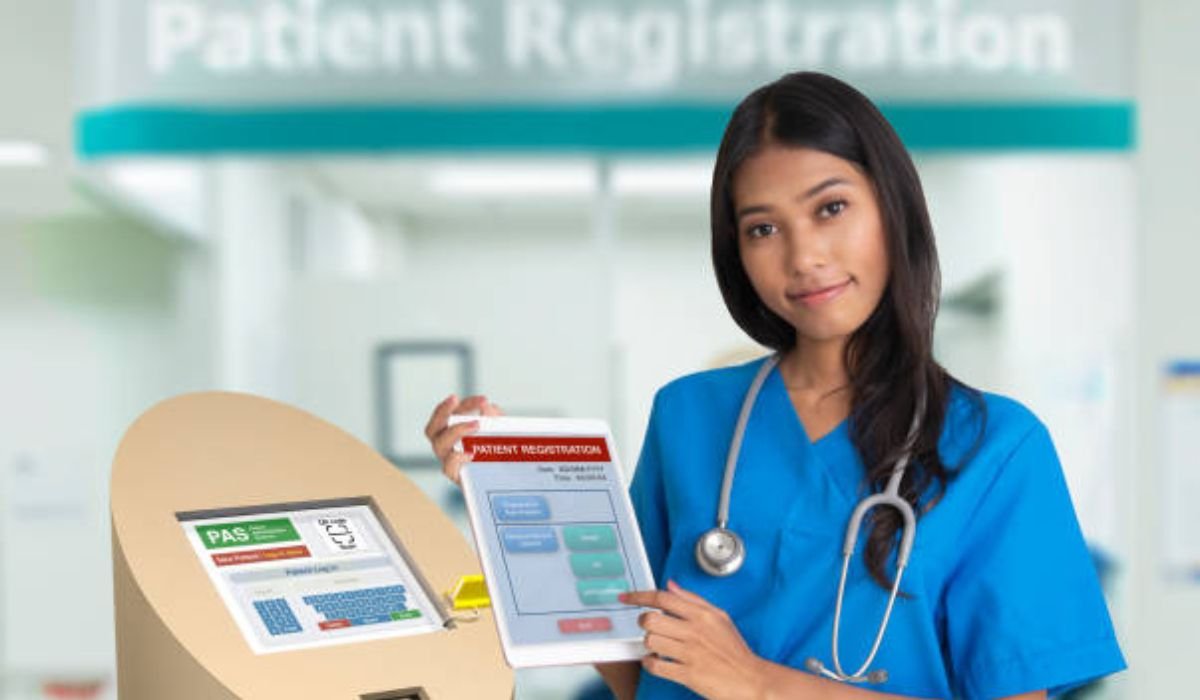
Modern healthcare is rapidly embracing digital transformation, significantly changing the way patients interact with providers. A notable innovation in this transition is the shift toward digital self-service tools for patient registration and check-in. This includes adopting patient check-in kiosks to streamline workflows and improve the care experience for both staff and patients.
With mounting pressure on healthcare systems to deliver care efficiently while maintaining high service standards, digital check-in solutions have emerged as essential components in medical offices, clinics, and hospitals. These systems not only accelerate the registration process but also enhance patient privacy and data security by digitizing personal health information and intake procedures.
Healthcare providers are recognizing that modern patients expect the same convenience and technological sophistication from medical encounters as they do from other industries. Digital self-service tools enable facilities to keep pace with these expectations, fostering greater patient satisfaction and engagement. They also facilitate resource optimization, letting staff focus on more meaningful aspects of patient care and reducing time spent on repetitive administrative tasks.
As digital solutions become increasingly widespread in healthcare, their effects are being closely studied. Providers are weighing the benefits and identifying strategies to address barriers, ensuring a smooth implementation and high adoption across all patient populations.
The Evolution of Patient Check-In Processes
For decades, the check-in process in healthcare settings was largely manual, requiring patients to fill out paper forms upon arrival for appointments. This approach was slow, error-prone, and often resulted in significant wait times. Staff had to handle large volumes of paperwork, verify information, and manually enter data into electronic medical records. As a result, administrative burdens were high, leading to inefficiencies across the care delivery system.
With advances in digital technology, healthcare facilities began transitioning from paper-based to digital registration. Patients can now enter their personal and insurance information directly at a kiosk or via a mobile app. This reduced redundancy, increased processing speed, and provided a seamless link to electronic health records. Over time, more sophisticated functionalities appeared, including secure identification, multilingual interfaces, and integration with electronic billing systems.
This evolution signifies more than just increased speed: it marks a fundamental shift toward patient-centered care, where individuals actively participate in their own healthcare journey. Streamlined check-in encourages greater transparency and helps build trust between providers and patients.
Benefits of Digital Check-In Systems
Reduced Wait Times
One of the most significant benefits of digital check-in systems is the dramatic reduction in wait times. Patients can complete registration before their visit or use kiosks upon arrival, expediting the process and minimizing congestion in waiting areas. This efficiency is especially vital during high-traffic hours or in busy clinics.
Improved Data Accuracy
Digital check-in platforms allow patients to enter and review their details directly, significantly reducing the likelihood of errors associated with handwriting or staff transcription. Accurate data ensures reliable billing and reduces the likelihood of misunderstandings over medical histories or treatment plans. Digital tools may also provide real-time insurance verification, streamlining approvals and authorizations.
Enhanced Patient Satisfaction
Simplified registration and reduced administrative barriers contribute to a more positive patient experience. Self-service check-in empowers patients by offering greater privacy and control over their information. These improvements are associated with higher satisfaction scores, an important benchmark for healthcare organizations seeking to deliver patient-centered care. For an in-depth exploration of potential improvements in patient experience, see the ATT Group’s discussion.
READ ALSO: Kingymab: The Future of Precision Medicine in Healthcare
AI and Biometric Integration in Patient Check-In
The integration of artificial intelligence and biometric authentication is transforming healthcare check-in systems, providing unprecedented levels of security and operational efficiency. AI-powered kiosks can seamlessly verify patient identities using facial recognition, fingerprint scanning, or palm vein authentication. This process not only strengthens patient privacy but also mitigates the risk of impersonation or administrative mix-ups.
Biometric solutions are well-suited for environments that handle large numbers of patients daily, reducing the risk of mistakes and ensuring records are accurately matched. Meanwhile, AI-driven platforms can analyze workflows, anticipate bottlenecks, and optimize staffing levels in real-time, further enhancing efficiency. Healthcare administrators also benefit from advanced analytics, which can identify trends and proactively resolve operational challenges before they escalate.
Case Studies: Successful Implementations
Real-world examples demonstrate how digital patient check-in can transform operations and satisfaction. NYU Langone Health introduced digital intake kiosks with biometric palm scanning as part of its patient engagement strategy. As a result, more than a million patients now use their digital tools each month, increasing satisfaction and reducing staff manual data entry.
Similarly, several clinics in Singapore adopted AI-enabled self-service kiosks. These systems led to a 30 percent decrease in administrative delays during peak periods, demonstrating the potential for scalable, digital-first workflows even in high-volume healthcare environments.
Challenges and Considerations
Adopting digital check-in systems in healthcare comes with challenges. One primary concern for providers is data security. With the digitalization of sensitive health information, systems must meet strict standards for compliance, privacy, and cybersecurity. Data breaches in healthcare continue to rise, highlighting the necessity for robust digital infrastructure.
Ensuring accessibility is another vital issue. Self-service kiosks and online portals need to be user-friendly, including for elderly patients and individuals with disabilities. Accessibility features like screen readers, large text, and multilingual support are critical for universal adoption and equity.
Additionally, seamless integration with existing healthcare IT systems requires careful planning. Interoperability with electronic health records, scheduling, and billing infrastructure is essential to maximize benefits and minimize disruptions to established workflows.
Future Trends in Digital Patient Check-In
Digital check-in solutions are evolving rapidly alongside broader technological changes in healthcare. Artificial intelligence is expected to advance predictive analytics, helping facilities anticipate patient needs, proactively manage appointment flows, and allocate resources more efficiently. Telemedicine integration will likely expand as digital check-in platforms begin to facilitate pre-visit paperwork and virtual check-ins for remote consultations.
Personalization is also set to play a key role. Future systems may offer tailored reminders, health education materials, and care navigation tools based on each patient’s medical history and preferences. The drive for personalized, patient-centric experiences is a major factor influencing investment and innovation in this field.
Conclusion
Digital self-service check-in solutions represent a pivotal development in healthcare, delivering measurable improvements in efficiency, accuracy, and patient satisfaction. Their adoption supports the ongoing shift toward technology-driven, patient-centered care that will define the industry’s future. As digital tools advance and their integration deepens, healthcare providers who thoughtfully implement and maintain these systems will be best prepared to meet the evolving needs of their patients and staff alike.
YOU MAY ALSO LIKE: How Streamlined Revenue Management Boosts Healthcare Sustainability