



Key Takeaways
- Integration of smart home features is accelerating and reshaping how people experience their living spaces.
- Benefits include enhanced comfort, reduced energy costs, improved safety, and increased property value.
- Many homeowners are choosing to renovate with smart features as a practical alternative to buying in a challenging real estate market.
Smart home innovations have ushered in a new era of residential comfort and efficiency. By blending cutting-edge technology with thoughtful design, homeowners are discovering fresh ways to maximize convenience, security, and sustainability. The movement is especially strong among those who favor renovating their existing houses, often opting for home additions Montgomery County, MD, and tech upgrades rather than navigating high mortgage rates on new properties.
Integrating smart systems into renovation plans is no longer exclusive to high-end homes. With accessible prices and a wide range of products, families are updating every aspect of their living environments to better support everyday needs. From energy savings to property value, the shift is influencing both lifestyle and long-term investment strategies.
Rising Popularity of Smart Home Features
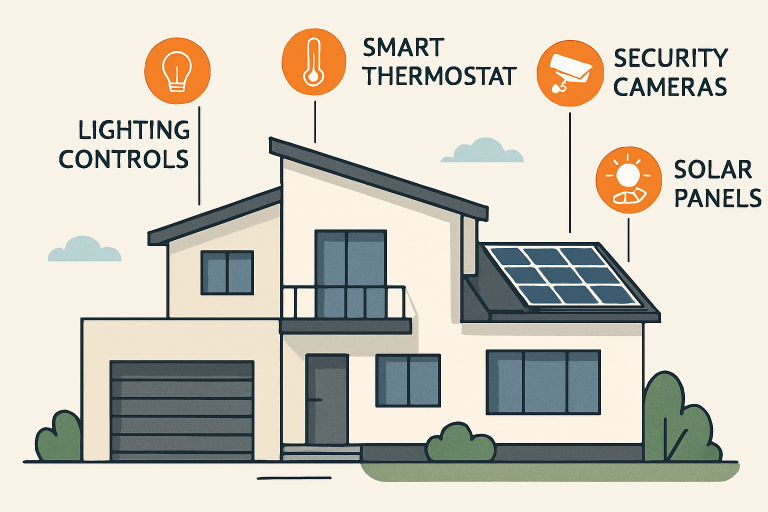
Home automation and smart technology are fast becoming expectations, not luxuries. A recent report found that 72% of new homebuyers are embracing at least one smart feature, up from just 60% two years ago. Today’s buyers frequently seek systems that automatically manage lighting, security, and climate controls, often via voice commands or smartphone apps. This transformation is making homes more adaptable and user-friendly, pushing more property owners to pursue smart renovations.
This movement is also visible in the renovation sector, where home improvement spending continues to rise. Homeowners want the flexibility to update their spaces without uprooting their lives, making smart technology one of the most requested upgrades in recent years.
Energy Efficiency and Cost Savings
Energy-efficient technology is at the heart of many home renovation projects. Modern HVAC systems, smart thermostats, and advanced window treatments are helping households significantly cut their utility costs. Automated lighting systems can reduce electricity consumption by up to 40%, while smart thermostats and occupancy sensors can reduce heating and cooling waste by up to 25%. Over time, these savings can offset the initial investment, offering both environmental and financial benefits.
In addition to long-term savings, some utilities offer rebates or incentives for installing efficient systems, making smart renovations even more attractive. According to the New York Times’ Wirecutter guide to smart thermostats, choosing the right programmable thermostat can provide both comfort and savings, especially in regions with extreme weather fluctuations.
Enhanced Security and Safety
Security is a top concern for homeowners, which is why smart locks, video doorbells, and motion-activated cameras are among the most popular features added during renovations. These systems grant remote access control, instant alerts, and real-time video feeds directly to smartphones or tablets. Smart smoke and carbon monoxide detectors provide an additional layer of safety, automatically notifying residents when hazards are detected.
The peace of mind these features provide has changed public expectations for home security. Innovations such as geofencing can automatically lock doors or turn on lights when residents approach, offering seamless safety without constant manual input. According to a recent Consumer Reports overview, many leading smart home security systems deliver reliable protection with features designed for tech-savvy households.
Increased Property Value
Renovating with smart features often translates into higher property values. Recent studies suggest that homes equipped with smart systems can command a 5-7% premium over those without. As awareness grows and integration becomes easier, this percentage is expected to rise further. Many real estate agents now recommend prioritizing upgrades that include networked climate control, energy management, and security when preparing to sell a home.
Tech-savvy buyers are increasingly interested in turnkey properties that support remote work, automated entertainment, and simplified maintenance. These preferences are making smart homes more competitive in a crowded real estate landscape.
Adapting to Market Conditions
With limited housing availability and persistent high mortgage rates, many families are choosing to improve and expand their existing residences rather than purchasing new ones. This trend is especially prevalent in regions like North Carolina, where renovations such as adding second stories, upgrading kitchens, and creating functional outdoor spaces are common. By focusing on smart features during renovations, homeowners ensure that their investment not only addresses today’s needs but adapts seamlessly as circumstances change.
The practical appeal of these projects extends beyond finances, offering residents more usable space and modern amenities without the disruption of a move.
Future Outlook
The pace of technological progress is rapidly shifting what is possible in residential construction. Homebuilders and renovation contractors now include smart features as standard offerings, responding to growing consumer demand for intelligent living environments. As more households prioritize efficiency, convenience, and sustainability, the integration of smart technology will become a defining characteristic of modern housing.
Looking ahead, the homes of tomorrow will offer not just comfort and style but also smart adaptability, responsive energy management, and safer everyday living, setting new standards for residential experiences.
Read Also: Smart Solutions for Safe and Efficient Homes: Modern Electrical Upgrades Everyone Should Consider