




Understanding Septic Systems
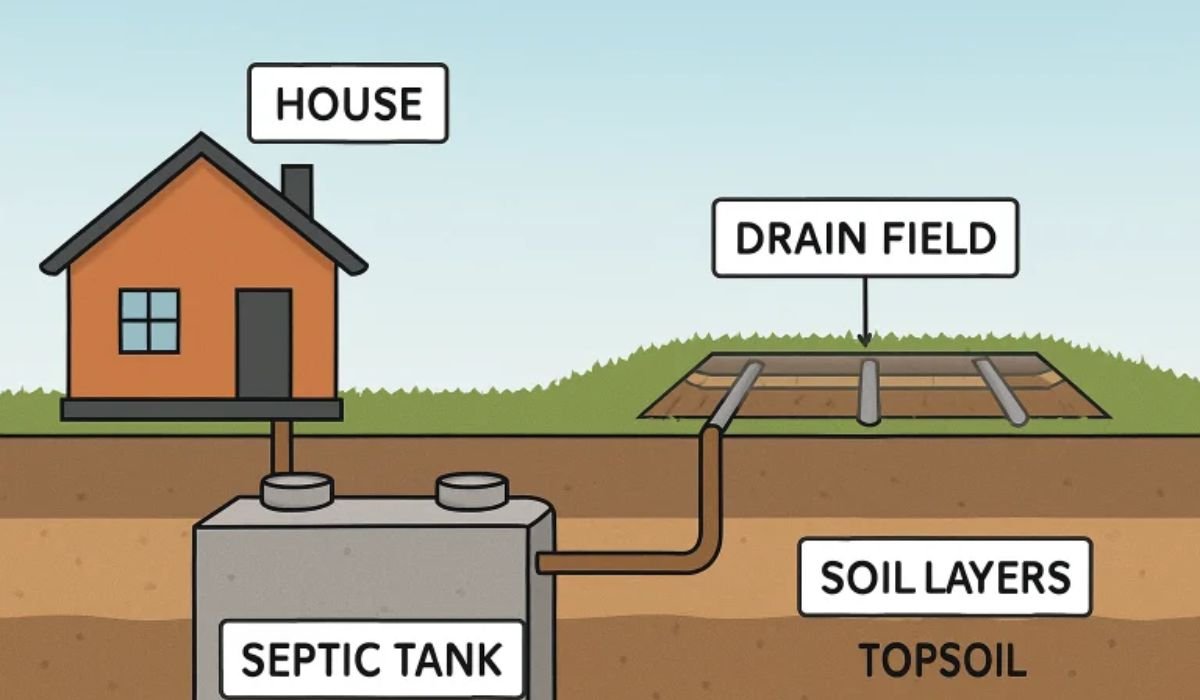
A septic system is a fundamental on-site wastewater treatment solution that serves homes and properties not connected to municipal sewer lines. Its primary function is to safely process and disperse household wastewater using a combination of natural and engineered processes. For reliable and efficient septic tank installation Orlando FL, it is essential to understand these elements. Typically, a septic system consists of two main parts: the septic tank and the drain field. Wastewater from the home’s plumbing flows into the septic tank, where solids settle to the bottom, forming sludge, while oils and lighter waste float to the surface as scum. Bacteria present in the tank help break down organic matter.
After initial treatment in the septic tank, the liquid effluent is channeled to the drain field. Here, it percolates through layers of soil, which provide additional filtration and naturally remove harmful bacteria, viruses, and nutrients before the water returns to the groundwater supply. Understanding how these components function is essential for choosing the right system for your property and ensuring its long-term performance.
Site Evaluation and Permitting
Proper site evaluation is the first critical step before installing a modern septic system. Every property has unique soil conditions, water table levels, and proximity to water sources, which must be assessed carefully to ensure the system functions safely and efficiently. Specialists often perform percolation tests to assess how quickly soil can absorb and treat wastewater. This information guides the design and placement of both the septic tank and drain field, preventing groundwater contamination and system failure. In addition to evaluating the physical site, obtaining permits from local health and environmental authorities is mandatory. These permits guarantee the installation meets safety codes, environmental standards, and public health requirements.
Design and Installation Process
Designing a septic system involves assessing the household’s size and specific wastewater needs. Professional designers consider the number of bedrooms, expected water usage, site accessibility, and local requirements when planning the system. Once the design is finalized, installation begins with excavating the site and carefully placing the tank. The drain field is then created to precise specifications to allow proper effluent dispersal and purification. During installation, it is vital to use quality-approved materials and to follow all local and national standards. Poor installation can lead to premature system failure, health hazards, and expensive repairs. Choosing qualified professionals with experience in modern septic technologies is essential for a dependable outcome.
Common Installation Mistakes to Avoid
Many septic system failures can be traced back to mistakes made during installation. These include incomplete or improper site assessments, the use of low-quality materials, and rushing through critical construction steps. To ensure a successful installation, homeowners should always insist on detailed site evaluations, verified components, and skilled contractors.
Maintenance and Upkeep
A septic system requires regular maintenance to function efficiently and last for decades. This typically involves scheduled inspections, routine pumping every three to five years to remove sludge and scum, and careful attention to what goes down the drains. Non-biodegradable items, harsh chemicals, and excess water use can all negatively affect the system’s balance and cause costly clogs or failures. Simple preventive practices, such as water conservation and responsible waste disposal, go a long way toward maintaining peak system performance.
READ ALSO: Easy Moving Tips: Simplify Your Next Relocation
Innovations in Septic System Design
Today’s septic systems are more advanced than ever, featuring innovations such as aerobic treatment units, multi-stage filtration, and environmentally friendly drain-field alternatives. Enhanced treatment technologies improve waste breakdown and reduce nutrient pollution, helping address environmental concerns. Many modern systems also monitor system performance remotely, providing homeowners and service providers with alerts for maintenance needs or system malfunctions.
Alternative energy solutions, such as solar-powered aerators or pumps, are also being incorporated further to reduce the carbon footprint of residential wastewater treatment. These technologies not only improve system reliability but also support the sustainability of communities that rely on on-site sewage treatment.
Environmental Considerations
When properly installed and maintained, septic systems play an essential role in protecting the environment. They help filter and purify wastewater before it reenters the groundwater supply, safeguarding local water quality and preventing pollution of lakes, rivers, and aquifers. Homeowners must recognize their role in supporting broader ecological health by remaining diligent stewards of their onsite systems.
Conclusion
Installing a modern septic system is a significant investment in both your property and the environment. By understanding the components, conducting a thorough site evaluation, following proper installation procedures, and committing to regular maintenance, homeowners ensure safe, sustainable, and efficient wastewater management for years to come. Staying informed and choosing experienced professionals for septic tank installation can help avoid costly mistakes and support environmental stewardship.
YOU MAY ALSO LIKE: Exploring the Benefits of Electrical Installation