





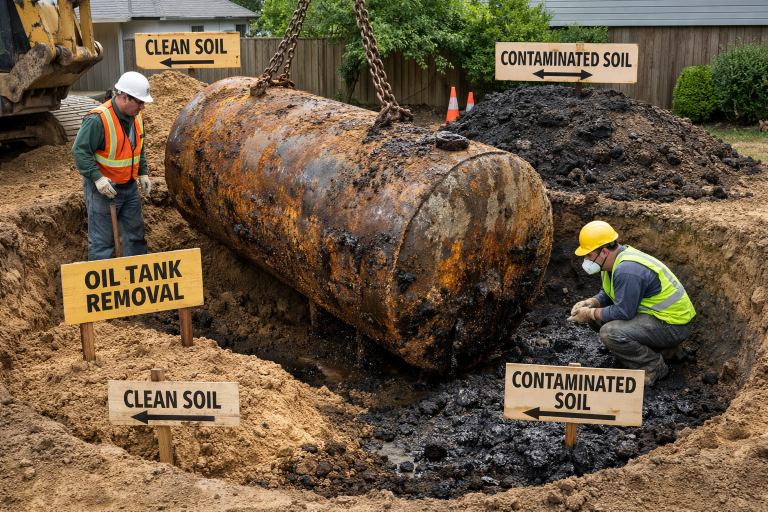
Properly decommissioning and removing old oil tanks is critical for protecting both the environment and the structural integrity of residential and commercial properties. Overlooked tanks can pose serious risks, including leaks that threaten soil and groundwater quality. For homeowners in areas like Mountainville, NY, seeking oil tank services Mountainville, NY is a proactive step in preventing potential hazards and ensuring their property remains compliant with local rules.
The risks of retaining aging oil tanks go beyond property boundaries. Unattended tanks can leak hazardous materials, contaminating entire neighborhoods or local water sources. This contamination not only threatens ecosystems but can also result in significant financial liabilities and complex cleanup efforts for property owners.
Awareness of these risks is especially important as more areas transition to sustainable energy sources and stricter environmental regulations are implemented. Property owners must act swiftly at the first signs of tank aging or malfunction to mitigate these risks efficiently. Choosing reputable decommissioning services helps ensure a seamless, safe process that protects your home and community.
Understanding the Risks of Aging Oil Tanks
Oil tanks installed before the 1970s or those beyond their 20 to 30-year lifespan are vulnerable to corrosion, leaks, and structural failure. These defects can cause oil to seep into the surrounding soil and even reach groundwater, creating environmental crises. In many older homes throughout the United States, unused tanks are buried out of sight, making their risks invisible until a leak is discovered.
For instance, a study cited by the New York Times notes that remediation costs for oil leaks can range from several thousand to tens of thousands of dollars, depending on the extent of the contamination.
Signs It’s Time to Decommission Your Oil Tank
Recognizing early indicators of a failing tank is the best approach to avoiding significant trouble. Homeowners should look for:
- Visible rust, bubbling paint, or corrosion along the tank or its pipes
- Lingering or strong oil odors in the vicinity of the tank
- Mysterious stains appearing on the soil or concrete near the site of the tank
- An aging tank that is more than two decades old
Timely attention to these signs may prevent costly, hazardous issues from escalating. Local regulations may even require prompt action upon discovering any of these warning signals, so staying informed can protect both your home and finances.
Steps for Safe Oil Tank Decommissioning
- Professional Assessment: Start with a certified inspection to identify leaks, rust, and structural vulnerabilities.
- Permitting and Notification: Many municipalities require notification and appropriate permits before starting work. Initiate this process immediately to comply with legal standards.
- Safe Oil Removal: Remaining oil must be safely pumped out. This material is then transported and disposed of in accordance with strict environmental protocols.
- Tank Cleaning: The tank’s interior is thoroughly cleaned, eliminating residual sludge and dangerous vapors.
- Removal or Filling: Depending on the location and regulations, either the tank is excavated and removed, or it is securely filled with an inert substance such as sand.
- Soil Testing and Remediation: Soil testing is essential to verify that contamination has been removed. If affected soil is discovered, remediation measures are needed to restore safety.
Every step is required to ensure thoroughness and reduce environmental threats. Skipping any part of this process may result in incomplete remediation or legal violations.
Legal and Environmental Considerations
Failing to decommission oil tanks properly can result in severe legal consequences and lasting environmental harm. In many jurisdictions, liability rests with the current property owner, who may be responsible for remediation even if the tank predated their ownership. The Environmental Industries Association underscores the necessity of following proper procedures to avoid fines and environmental disasters. Unauthorized removal or improper handling is a leading cause of unintentional contamination events.
Choosing the Right Professional Service
Reliable oil tank decommissioning depends on your contractor’s skills and credentials. Choose experts with proper licensing and certifications who regularly handle tank removal projects. They should also provide references and evidence of insurance coverage to protect homeowners in the event of accidental damage or issues during the process. Positive customer reviews are a strong indicator of a trustworthy service provider.
Post-Decommissioning Steps
- Secure a closure report from your contractor that outlines all procedures, inspections, and any soil remediation performed.
- Carefully file all paperwork for future property transactions and insurance verification.
- Arrange for soil restoration if testing revealed contamination to guarantee the site is fully returned to a safe state.
Following these steps assures you remain in compliance with local and state regulations while protecting property value.
Final Thoughts
Safe decommissioning and removal of old oil tanks are essential measures for environmental safety and property protection. Proactive property owners who recognize warning signs, adhere to necessary procedures, and select qualified professionals help ensure their neighborhoods remain uncontaminated and legally secure. By staying informed and engaged, you invest in the long-term health and safety of your home and community.