




Introduction
In today’s fast-paced industrial landscape, efficiency and safety are paramount. Modern crane hoist systems have evolved to meet these demands, offering advanced features that enhance productivity and ensure workplace safety. Companies like Black Bear Corporation, in Tailored Crane Hoist Systems Fontana CA specialize in providing tailored crane hoist systems to meet diverse industrial needs.
Advancements in Crane Hoist Technology
Recent innovations in crane hoist technology have led to the development of intelligent systems equipped with IoT sensors and AI-driven controls. These advancements allow for real-time monitoring and predictive maintenance, significantly reducing downtime and operational costs. For instance, integrating IoT-enabled sensors in hoist systems enables precise load management, enhancing both safety and efficiency. Beyond implementing sensors and AI controls, manufacturers are also incorporating wireless remote control technology, enabling operators to operate hoist mechanisms from a safe distance. This is particularly useful in hazardous environments, enabling personnel to control loads without being directly beneath the hoist. Additionally, the use of variable-frequency drives (VFDs) provides smoother starts and stops for loads, reducing mechanical stress on hoists and supporting infrastructure. These technologies combine to create a safer workplace and extend equipment longevity by minimizing wear and tear.
Enhancing Safety with Smart Features
Safety remains a top priority in industrial operations. Modern hoist systems now incorporate features such as anti-collision sensors, emergency stop automation, and overload protection systems. These enhancements not only protect workers but also extend equipment lifespan. A notable example is the implementation of sway control and snag prevention functions in overhead cranes, which minimize load oscillation and potential hazards. Moreover, digital load display systems are becoming increasingly prevalent, providing operators with real-time data on the weight and stability of each lift. Audible and visual alarms can alert workers to unsafe conditions, such as excessive load or blockages along the rail. Modern safety protocols also require the integration of advanced locking mechanisms and fail-safes that automatically engage if the system detects an anomaly. Comprehensive safety audits and risk assessments, paired with advanced sensors, ensure ongoing compliance with OSHA and other regulatory bodies, safeguarding people and assets alike.
Energy Efficiency and Sustainability
With a growing emphasis on sustainability, crane manufacturers are developing eco-friendly solutions. The adoption of hybrid and electric cranes reduces reliance on fossil fuels and lowers emissions. Additionally, regenerative braking technology captures and reuses energy, improving overall efficiency. These advancements contribute to greener operations and align with global environmental standards.
Modern crane hoist systems can also be designed to operate at variable loads, adjusting energy consumption based on the weight being lifted. This dynamic operation conserves electricity, especially during partial-load conditions, which are common in industrial applications. Manufacturers are increasingly using recyclable materials in both crane bodies and supporting components, reducing overall environmental impact. Lifecycle analysis and end-of-life recyclability are now integral considerations, reinforcing the industry’s commitment to eco-friendly practices.
Customization and Flexibility
Every industrial operation has unique requirements. Modern crane hoist systems offer customizable solutions tailored to specific needs. Companies like Black Bear Corporation specialize in providing tailored crane hoist systems in Fontana, CA. As the North American subsidiary of Cheng Day Machinery Works Co. Ltd., a prominent manufacturer of hoists and cranes since 1978, Black Bear Corporation is renowned for its commitment to high-quality standards and service. Their extensive product line includes manual and electric chain hoists, wire rope hoists, trolleys, beam clamps, and components for overhead cranes, ensuring optimal performance and reliability for various industries.
Customization options now extend to remote monitoring interfaces, adjustable lifting speeds, and modular hoist components that can be quickly modified or replaced to suit changing operational demands. This level of flexibility is invaluable in sectors that see regular shifts in processes or production lines. Custom crane hoist systems may also be engineered for challenging environments, such as corrosion-resistant cranes for maritime applications or explosion-proof hoist components for chemical plants. Professional consultation and design services allow each customer to optimize their workspace for both performance and safety, reducing downtime and maintenance costs.
Integration with Industry 4.0
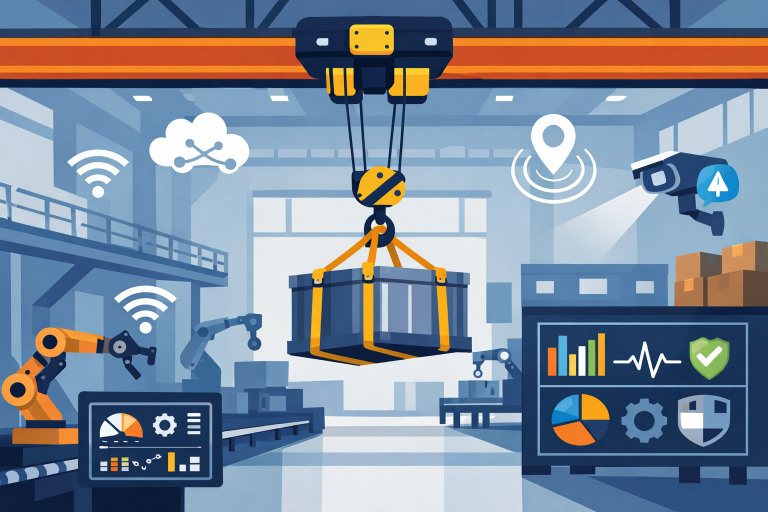
The integration of crane hoist systems with Industry 4.0 technologies enables seamless communication between machinery and central control systems. This connectivity enables data-driven decision-making, optimizes workflows, and enhances overall productivity. Predictive analytics derived from this integration can anticipate potential issues, enabling proactive maintenance and reducing unexpected downtime. Industry 4.0 also introduces enhanced data visualization dashboards that present real-time insights on hoist usage, efficiency metrics, and equipment health. Operators and management teams can access cloud-based platforms to monitor assets remotely, get instant notifications about anomalies, and even schedule maintenance based on actual wear rather than fixed timelines. This approach maximizes resource utilization and keeps production running smoothly, leveraging big data to drive continuous improvement in safety and efficiency. Over time, integrating machine learning models may enable self-optimizing hoist operations that dynamically adjust parameters to adapt to changing conditions.
Training and Workforce Development
As crane hoist systems become more sophisticated, proper operator training is essential. Investing in comprehensive training programs ensures personnel can effectively use advanced features, leading to safer, more efficient operations. Continuous education and certification programs help maintain high standards and adapt to evolving technologies. Interactive training modules, including virtual reality (VR) simulations, are increasingly available to enhance operator readiness. These simulations allow for hands-on experience in a controlled setting, preparing workers for critical scenarios without exposing them to real-world hazards. Furthermore, training sessions cover not only operational best practices but also equipment troubleshooting and basic maintenance, empowering teams to respond swiftly to minor issues before they escalate. A culture of continuous improvement is fostered through peer learning sessions, regular safety drills, and regulatory compliance workshops, all of which support ongoing workforce development.
The Importance of After-Sales Support and Maintenance
Choosing a crane hoist provider is not just about acquiring reliable equipment, as it also means having ongoing access to expertise and technical support. Leading companies offer robust after-sales services, including preventive maintenance programs, on-site inspections, and rapid parts replacement. These services help customers maximize their investment by minimizing downtime and ensuring consistent operational performance. Scheduled maintenance plans are often customized based on usage hours and environmental factors, ensuring that critical components are replaced before reaching the end of life. Most providers also offer digital portals that allow clients to track maintenance schedules, request service appointments, and review equipment history. Such transparency fosters stronger relationships and boosts confidence in system reliability. For businesses operating in high-demand or 24/7 production environments, having swift access to spare parts and technical assistance is essential for minimizing disruptions. Companies that prioritize customer support ultimately help their clients achieve long-term operational success and peace of mind.
Conclusion
The evolution of crane hoist systems plays a crucial role in enhancing industrial efficiency and safety. By embracing modern technologies and customized solutions, businesses can achieve higher productivity, reduced operational costs, and a safer working environment. Partnering with experienced providers like Black Bear Corporation ensures access to tailored crane hoist systems that meet specific operational needs.