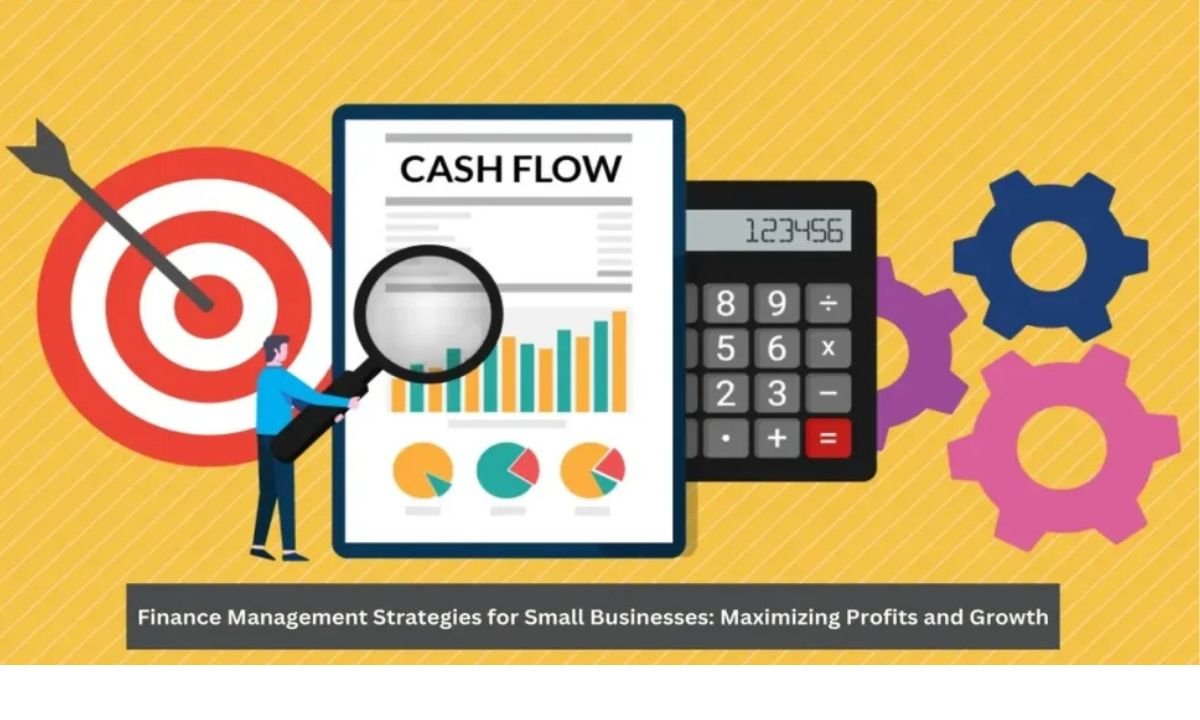






For a small business in Myrtle Beach, South Carolina, financial decisions often need to account for changing visitor activity, weather-related disruptions, supplier costs, and uneven monthly demand. Working with an accountant can help business owners keep financial records organized and review the regular checks that keep financial information useful throughout the year.
A financial checkup is more than a year-end tax task. It is a practical review of sales, expenses, cash, payroll, debt, customer payments, and upcoming obligations. Regular accounting reviews can help identify questions early, before they affect payroll, vendor relationships, or daily operations.
Why a Financial Checkup Belongs on the Calendar
Waiting until year-end can make it harder to correct stale invoices, missing transactions, overspending, or an unrealistic budget. Monthly reviews are useful for reconciliations and cash monitoring. Quarterly reviews provide time to compare results with the budget and adjust forecasts. An annual review supports tax preparation and broader planning for the coming year.
For example, a Myrtle Beach service business may show a profitable month because it completed several large jobs, yet still struggles to cover rent and payroll if customers have not paid their invoices. Regular reviews separate recorded revenue from collected cash and create a clearer basis for pricing, hiring, purchasing, and scheduling decisions.
Gather the Right Records First
Start with records from the same reporting period. Comparing twelve months of revenue against six months of expenses can produce a misleading result. Reliable accounting records should make it possible to trace important balances back to bank activity, invoices, receipts, or other supporting documents.
- Current income statement, balance sheet, and cash flow report
- Business bank account and credit card statements
- Accounts receivable aging report and accounts payable list
- Payroll summaries, loan balances, and payment schedules
- Prior tax returns, estimated payment records, budget, and sales forecast
Review the Three Core Financial Statements
Income Statement
Compare sales with the budget and the same period last year. Review gross margin, especially if labor, materials, merchant fees, or vendor prices have changed. Note expenses that increased faster than revenue, then separate one-time costs from recurring expenses. This helps avoid treating an unusual purchase as a permanent operating cost.
Photorealistic image of a small business owner reviewing printed financial statements and a laptop spreadsheet at a wooden desk near a Myrtle Beach window, warm golden-hour sunlight casting soft shadows, with a calculator and coffee nearby, calm and focused mood, simple, uncluttered composition.
Balance Sheet
Review cash, inventory, equipment, outstanding customer balances, unpaid bills, loans, and credit card debt. Look for old balances that may need research or correction. A strong sales month does not automatically create a strong balance sheet if liabilities are growing, receivables are aging, or owners are using business accounts for personal spending.
Cash Flow Statement
Focus on cash produced or used by normal operations, then distinguish it from borrowed funds, equipment purchases, owner contributions, or asset sales. Revenue can be recorded before cash is collected, so a positive income statement alone does not show whether the business can meet near-term obligations.
Test Cash Flow and Reserves
Estimate the business’s operating cushion by listing average essential monthly costs, including payroll, rent, insurance, utilities, loan payments, and necessary suppliers. Divide the available operating cash by that monthly total. The result is not a universal target, but it helps frame how long current cash may support normal operations if sales slow.
Warning signs include routinely using credit cards for ordinary bills, delaying supplier payments, or relying heavily on one customer. Businesses with seasonal revenue may need to plan further ahead for slower periods than businesses with stable monthly sales.
Check Receivables, Payables, and Billing Habits
Review invoices by age, including amounts that are 30, 60, or 90 days past due. Confirm that deposits, recurring charges, credits, and late-payment terms are recorded accurately. Electronic invoices, automatic reminders, and deposits for large projects may help create a more consistent collection process.
Also, review supplier due dates. Paying every bill immediately may reduce available cash, while paying late can strain vendor relationships or trigger penalties under an agreement. The goal is to understand what is due, when it is due, and whether expected customer payments will cover it.
Review Payroll and Owner Payments
Confirm employee names, pay rates, hours, classifications, and benefit deductions. Compare total payroll costs with the budget and current workload. Keep wages, reimbursements, contractor payments, owner draws, and distributions clearly separated in the books. Payroll obligations can vary by worker status, payment type, location, and business structure, so case-specific questions should go to a qualified professional.
Build a Tax Readiness Plan
Tax preparation is easier when records are current before major spending or owner-payment decisions are made. The records used to support business income and expenses can include invoices, receipts, deposit records, paid bills, and payroll documents. Organize income, expenses, assets, loans, payroll, and prior filings in separate digital or physical folders.
Review estimated payments against current results, track equipment and other asset purchases, and set reminders for applicable federal, state, local, payroll, and sales tax responsibilities. Retirement contributions and business-structure questions should also be addressed before relevant deadlines rather than at filing time.
Strengthen Records and Internal Controls
Good records can help owners monitor performance, prepare financial statements, and support tax reporting. The IRS notes that keeping complete business records makes it easier to investigate unfamiliar charges or unexplained changes in cash, while a recordkeeping system should clearly show income and expenses, whether it is paper-based or electronic.
- Reconcile bank and credit card accounts each month.
- Use individual logins for accounting software access.
- Limit access to payroll and payment information.
- Require approval for significant purchases, refunds, and new vendors.
- Store backups of key financial documents securely.
Create a 90-Day Action Plan
Days 1 through 30: Clean Up
- Reconcile accounts and correct missing or misclassified transactions.
- List overdue invoices, unpaid bills, and unclear balance-sheet items.
- Confirm payroll and tax records are complete.
Days 31 through 60: Improve Visibility
- Create a rolling cash flow forecast and update the annual budget.
- Set collection, expense, margin, and reserve goals.
- Review pricing and recurring operating costs.
Days 61 through 90: Make Decisions
- Identify expenses to reduce, delay, or renegotiate.
- Evaluate staffing, equipment, and purchasing decisions against available cash.
- Set aside funds for expected taxes and major annual expenses.
- Schedule the next monthly or quarterly review.
Conclusion
A 2026 financial checkup does not need to be complicated. For Myrtle Beach small businesses, a consistent review of financial statements, cash flow, customer payments, payroll, tax records, and internal controls can replace uncertainty with more timely information. Business owners seeking professional guidance on accounting matters in the area can find accounting resources available for Myrtle Beach. The best time to identify a financial issue is before it affects employees, suppliers, customers, or essential operations.