





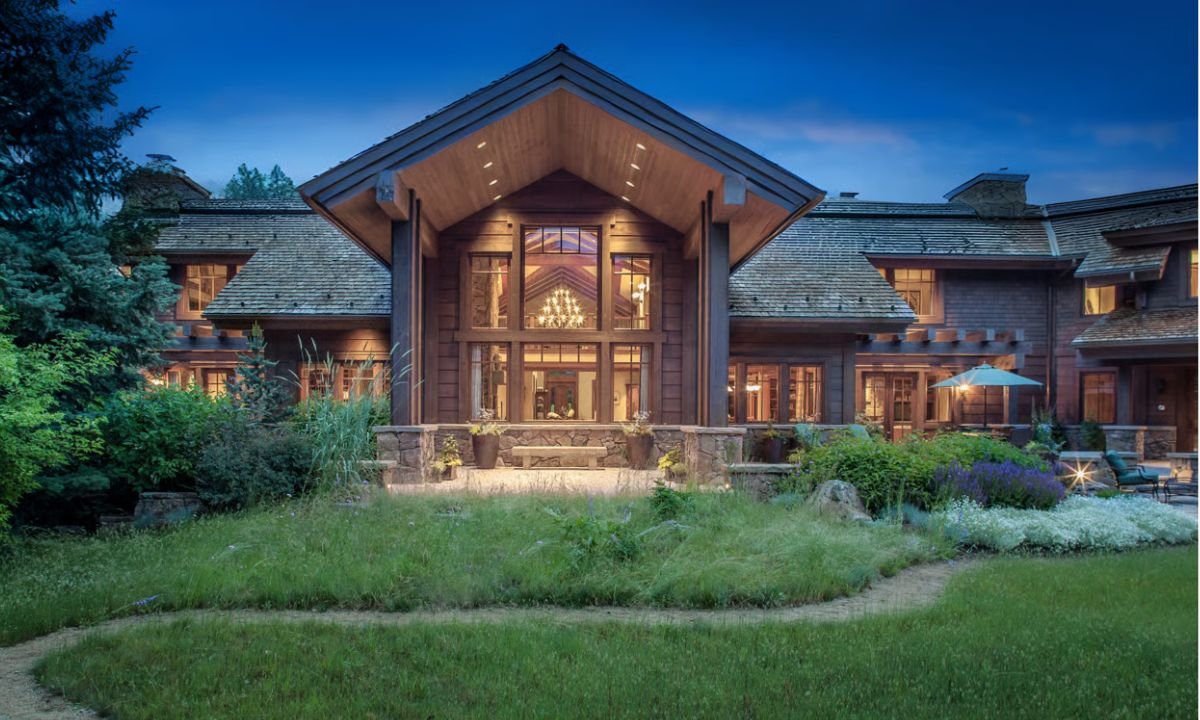
A second home in Ketchum can offer a compelling mix of mountain scenery, access to Sun Valley, and a lively Wood River Valley setting. Still, the qualities that make a property appealing for a ski weekend or summer escape do not automatically make it simple to own year-round. Before focusing on finishes, views, or proximity to recreation, buyers need a clear picture of how the home will work in every season.
Buyers reviewing Ketchum Homes for Sale can use the active-listings page to compare available property types, locations, and price ranges in the area. Sun Valley Sotheby’s International Realty serves buyers throughout Ketchum, Sun Valley, Elkhorn, Warm Springs, Hailey, and the broader Wood River Valley, offering a local market perspective that can help connect a listing’s appeal with practical questions about access, neighborhood character, and ongoing ownership responsibilities.
Start With the Way You Will Actually Use the Home
A mountain property should fit a specific plan. A personal weekend retreat, a future retirement residence, a family gathering place, and a rental property all call for different priorities. A downtown condominium may be ideal for an owner who wants a lock-and-leave base near dining and events. A larger home outside the center of town may provide privacy and guest space, but it can also require more oversight.
- How many weeks each year will you use the property?
- Will children, older relatives, or frequent guests need easy access?
- Could this become a primary residence within the next several years?
- Do you expect rental income to support the ownership budget?
- Would you be comfortable coordinating maintenance from another state?
Answer these questions before touring homes. They provide a useful filter when comparing a central Ketchum condo, a Warm Springs residence, a Sun Valley townhome, or a more secluded Wood River Valley property.
Test Access Beyond a Perfect Weather Day
Mountain-town access is not a single issue. It includes the trip from the airport or highway, the final approach to the home, the driveway, parking, and the ability to leave safely after a storm. Visit the neighborhood at different times of day if possible, and ask how snow removal is handled on public roads, private roads, shared drives, and the property itself.
Questions to Ask About Everyday Access
- Who plows the road and driveway, and what is the expected cost?
- Is there a recorded road-maintenance agreement or shared private-road obligation?
- Is the driveway steep, shaded, narrow, or difficult to turn around on?
- Where is snow stored after repeated storms?
- How reliable are cellular service and internet at the exact address?
- How far is the home from groceries, medical care, restaurants, and essential services?
Ketchum’s relationship with nearby Sun Valley and Hailey gives buyers several community settings to compare, but convenience varies substantially by neighborhood and individual parcel. A property should be evaluated at its address, not just by its town name.

Build an Ownership Budget That Goes Beyond the Purchase Price
The purchase price is only the opening number. Cold weather, snow, elevation, exterior exposure, and periods of vacancy can make mountain-home ownership more involved than ownership in a milder climate. Request recent utility information when available, and create an annual estimate before submitting an offer.
- Mortgage payments or the opportunity cost of cash
- Property taxes and homeowners insurance
- Heating, electricity, water, and internet
- Snow plowing, roof snow removal, and gutter maintenance
- Tree work, landscaping, drainage, and exterior repairs
- Property management, housekeeping, and emergency callouts
- HOA dues, reserve funding, and possible special assessments
- Travel, furnishings, storage, and replacement costs
Do not treat a seller’s historic costs as a complete forecast. Your occupancy pattern, preferred temperature settings, insurance coverage, and service expectations may be very different.
Confirm Rental Rules Before Projecting Income
A home that appears well-suited to visitors may still face rental restrictions. Short-term rental rules can be shaped by city requirements, zoning, licensing, tax obligations, homeowners’ association documents, and the terms of an insurer or property manager. Verify the rules for the exact address before putting expected rental income into a financing plan.
Buyers should also follow the City of Ketchum news and updates when researching a purchase, since public projects, code discussions, road work, and community meetings can affect how an area changes over time. This is especially useful for buyers considering locations near downtown, commercial areas, or planned development activity.
Inspect for Winter Performance and Vacancy Risks
A standard inspection is important, but a mountain second home benefits from specialists who understand cold-weather construction and high-elevation conditions. Ask the inspector to pay close attention to the systems that protect the home when no one is present.
- Roof age, condition, pitch, drainage, and snow-load history
- Heating-system capacity, maintenance records, and backup heat
- Insulation, windows, weather sealing, and ventilation
- Plumbing freeze protection and leak-monitoring options
- Crawl-space, basement, and retaining-wall moisture concerns
- Driveway drainage, ice buildup, and snow-storage areas
- Generator readiness and emergency access
- Vegetation management and wildfire-risk mitigation
Insurance should be reviewed early, not after contingencies have expired. Ask about availability, deductibles, exclusions, replacement-cost assumptions, and any inspection or mitigation requirements that could affect coverage.
Match the Property Type to Your Maintenance Comfort
Different ownership structures shift responsibilities rather than eliminating them. Compare the documents and the physical property together.
- Condominium: Often offers reduced exterior maintenance, but buyers should review association reserves, shared systems, rental restrictions, dues, and assessment history.
- Townhome: May provide more space and privacy than a condo, while still requiring close attention to maintenance boundaries and association responsibilities.
- Detached home: Provides more control over the property, but usually puts roof care, snow management, landscaping, mechanical systems, and exterior upkeep directly on the owner.
- Larger estate: Can offer privacy and gathering space, though staffing, access, insurance, utilities, and maintenance planning may be more extensive.
Compare Ketchum Properties With a Consistent Scorecard
Use the same one-to-five rating system for every home under consideration. Score personal enjoyment, winter access, travel convenience, maintenance demands, rental flexibility, insurance comfort, local services, resale appeal, community fit, and total annual cost. A property with the strongest view is not necessarily the strongest purchase if it creates ongoing complications that do not fit your lifestyle.
Final Due Diligence Checklist
- Confirm permitted use, zoning, easements, and road obligations.
- Read all HOA documents, financials, meeting minutes, and rules.
- Order a detailed inspection with mountain-property expertise.
- Verify insurance options before removing contingencies.
- Confirm rental rules if rentals are part of the plan.
- Test internet, utilities, cell coverage, and emergency access.
- Compare recent closed sales with similar homes, not just asking prices.
- Prepare a conservative annual ownership budget.
A successful second-home purchase in Ketchum should work on ordinary days as well as memorable vacation days. When the home fits your travel habits, budget, maintenance tolerance, and long-term goals, the mountain lifestyle becomes much easier to enjoy.