




Finding the ideal kitchen knife can transform your cooking experience, boosting both safety and efficiency with every meal you prepare. Because knives are the cornerstone of any kitchen, learning how to select the right one is an investment that pays off for years. Whether you’re a busy home cook or an aspiring chef, understanding what sets a great kitchen knife apart is key to making the best choice. For those who venture outdoors, it’s equally important to choose the right blades for specialty purposes, such as bushcraft and survival knives, which combine durability and utility in challenging environments.
In any kitchen, the right knife feels like a natural extension of your hand. With various blades, materials, and handle types available, navigating your options can be overwhelming. This guide breaks down the key factors you need to know and provides practical tips to help you make an informed decision tailored to your specific needs.
Understanding Knife Types
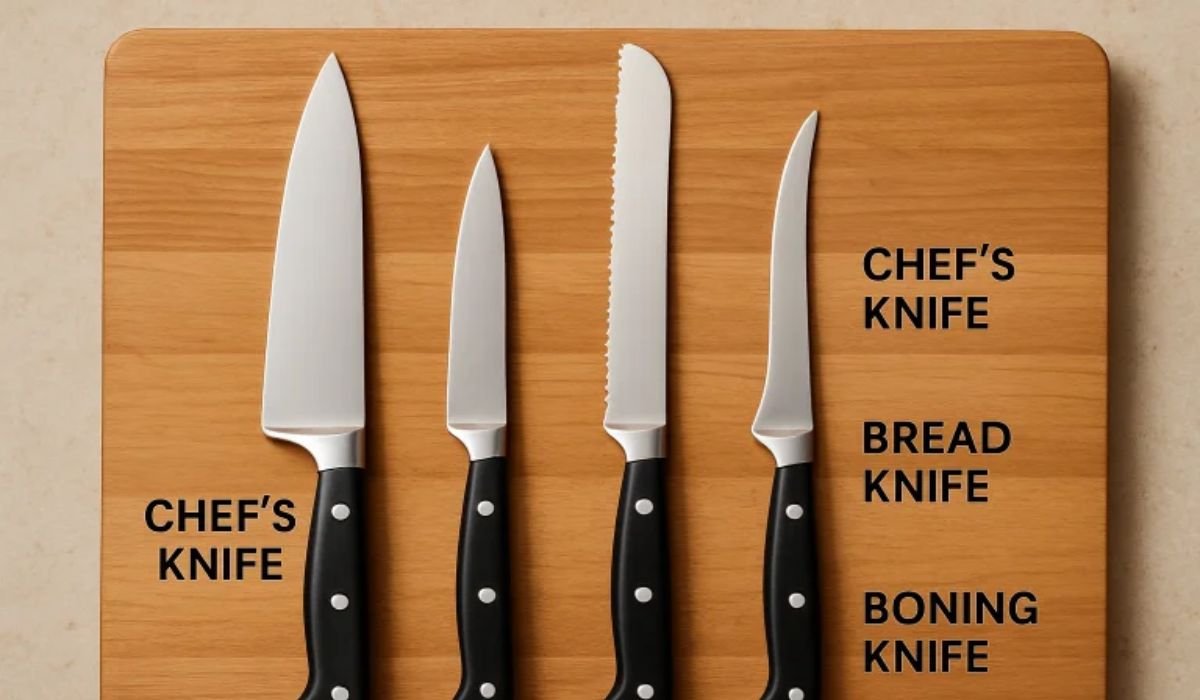
Every kitchen task can be improved with the appropriate knife type. By focusing on the essentials, you can accomplish almost any cooking challenge with ease:
- Chef’s Knife: The most versatile kitchen tool, perfect for chopping, slicing, and dicing vegetables, herbs, and proteins.
- Paring Knife: Designed for more delicate tasks, such as peeling fruit or mincing garlic, this knife offers precision and control.
- Bread Knife: The long, serrated blade easily slices through crusty bread, tomatoes, and other soft-centered foods without smashing them.
- Boning Knife: Its thin, flexible blade makes it ideal for deboning and filleting meat and fish.
By building your collection on these primary knives, you cover most food prep tasks while simplifying your kitchen toolkit. Investing in the right knife shapes can drastically improve cooking results and efficiency.
Blade Materials and Construction
The material and construction of a knife’s blade determine its sharpness, durability, and the amount of maintenance it will require. The most common materials you’ll encounter include:
- High-Carbon Stainless Steel: Known for balancing edge sharpness and resistance to rust, making it a popular choice for home cooks and professionals.
- Stainless Steel: Resists corrosion and is relatively easy to maintain, but may require more frequent sharpening due to its slightly softer edge.
- Carbon Steel: Renowned for its ability to hold a razor-sharp edge the longest, though it’s prone to discoloration and rust if not correctly cared for.
Blade construction also influences performance and longevity:
- Forged Blades: Crafted from a single piece of metal, forged knives are generally heavier, more balanced, and more durable, making them a favorite among chefs.
- Stamped Blades: Cut from large sheets of steel, these knives are typically lighter and more affordable, making them suitable for beginners or as backup blades.
Understanding the difference between these options lets you select a knife that suits not only your needs but also your maintenance habits.
READ ALSO: How to Cook Corn on the Cob: All About Grilling, Boiling, or Microwaving
Handle Design and Ergonomics
The knife handle has a direct impact on comfort and safety during use. Consider these features when evaluating any kitchen knife:
- Material: Wooden handles offer classic aesthetics but may require more care to prevent cracking, while plastic and composite materials are prized for their durability and water resistance.
- Shape: Opt for ergonomic designs with contours that mimic the natural grip of your hand, thereby reducing strain and the risk of slipping.
- Balance: The best knives have a balanced feel between the blade and handle, which improves control during repetitive tasks and extended preparation sessions.
Trying different handles is an innovative approach—what feels comfortable to one cook may not suit another. Good ergonomics are essential for anyone who spends long hours preparing food.
Knife Maintenance and Care
Proper care will extend the lifespan and effectiveness of your kitchen knives. Here are the key steps:
- Honing: Use a honing steel regularly to align the blade’s edge and preserve sharpness between full sharpenings.
- Sharpening: Periodically sharpen your knife with a whetstone or professional service to restore its cutting edge.
- Cleaning: Always hand-wash your knives in mild soap and water, drying them immediately to prevent rust and damage.
- Storage: Invest in a knife block, magnetic strip, or blade guards to prevent the edge from dulling when the knife is stored.
Consistent maintenance not only ensures safety but also maximizes the value of your investment.
Budget Considerations
Good kitchen knives range from accessible to high-end pricing, depending on materials and craftsmanship. Premium knives offer longevity, excellent edge retention, and balanced performance. However, many reliable, affordable options are available that suit most home cooks. Consider your cooking habits and frequency before paying top dollar—sometimes a mid-range model offers all the utility you need for routine meal prep.
Testing Before Purchase
Whenever possible, physically test a knife before you buy. Evaluating the knife’s weight, balance, and grip firsthand will help you find the best fit for your hand size and technique. Many retailers allow you to try demo knives in-store, or may offer return policies to let you test the knife in your home kitchen to ensure satisfaction.
Conclusion
Selecting the perfect kitchen knife involves considering various factors, including type, blade materials, ergonomics, maintenance requirements, and your budget. Take the time to assess your unique needs and preferences. With the right choice, your knife will not only enhance your cooking experience but also stand the test of time in your kitchen repertoire.
YOU MAY ALSO LIKE: Alvemente Mastery: Achieve Outstanding Results with Ease