




In a time when consumer expectations are constantly rising, businesses striving to excel must shift toward smarter, data-centric marketing strategies. Success depends on leveraging analytics for every aspect of the customer journey. Adopting the best digital marketing strategies grounded in solid data allows brands to implement highly targeted, cost-effective campaigns and meet the demands of today’s digital-first environment.
Traditional marketing methods no longer suffice in a landscape characterized by rapid technological advancement, evolving regulations, and new digital channels. Data-driven marketing ensures brands can adapt to change and deliver campaigns with measurable impact, maximizing returns while maintaining consumer trust. For organizations seeking growth, focusing on actionable insights and integration is no longer optional but an operational necessity.
Staying competitive also means reconsidering how data shapes every marketing decision, from creative personalization to channel investment. Small and medium-sized businesses, in particular, benefit from refining their approaches to reach their target audience efficiently in a crowded marketplace.
For more insight tailored for growing companies, understanding SMB digital marketing strategies can be an important next step for teams looking to scale smartly and effectively.
Understanding Data-Driven Marketing
Data-driven marketing uses analytic processes to inform every stage of a campaign. This strategic approach lets brands replace hunches with quantifiable targets based on real customer behavior. Instead of broad, high-cost blasts, marketers can craft campaigns that segment audiences, predict behaviors, and allocate budgets for the best possible impact. This leads to significantly higher engagement and conversion rates while reducing wasted effort and spend.
Organizations that are able to shift their internal culture to embrace continual testing, measurement, and data literacy will see the most benefit from this evolution. It is not simply about collecting more data; the true value lies in interpreting and applying it to solve real business challenges. Data-driven marketing empowers teams to ask better, more specific questions and uncover insights that drive tangible outcomes. When organizations build cross-functional collaboration between analysts, marketers, and decision-makers, the entire business becomes more agile and responsive.
In most contemporary organizations, the shift is not merely technological but also cultural. Leaders in data-driven marketing foster an environment that champions curiosity, collaboration, and experimentation. They invest in upskilling staff in analytics and foster knowledge sharing across boundaries, breaking down silos that traditionally separate marketing, sales, and customer success functions. By viewing the customer journey through a unified lens, organizations discover root causes behind revenue swings, customer attrition, or viral brand moments and respond with coordinated, insight-backed actions.
Additionally, there is increasing recognition that data-driven marketing is not just about the pursuit of efficiency, but also creativity. Marketers working with robust datasets find new freedom to innovate in message design, campaign concepts, and channel tactics. Data unlocks hidden opportunities and underutilized segments, serving as fertile ground for bold experimental campaigns that test boundaries while still mitigating risk.
Importance of First-Party Data
Changes in privacy laws and rising consumer awareness have changed the value of data overnight. Now, first-party data, information brands gather directly from customer interactions, websites, and apps, has become the gold standard. Not only does it promote compliance with regulations like GDPR and CCPA, it also ensures marketers get more reliable and actionable insights derived firsthand. This information leads to better audience understanding, more accurate segmentation, and a foundation of trust between business and consumer.
In the digital landscape, where third-party cookies are being phased out and consumer skepticism about tracking tools is mounting, building direct customer relationships through first-party data sources is critical. Businesses that invest in robust data collection mechanisms, like loyalty programs, opt-in experiences, and transparent value exchanges, will be well-positioned for a future where trust and authenticity are paramount. Gathering first-party data is not merely a defensive move to remain compliant, but a proactive strategy for business resilience.
As industry standards evolve, brands can differentiate themselves by offering truly meaningful value in exchange for data. For example, interactive content such as quizzes, calculators, and product finders not only engages customers but also provides valuable behavioral data. Experiences that are fun, relevant, and rewarding help transform one-time visitors into loyal customers who willingly share more about their needs and preferences. The rise of zero-party data, where customers intentionally share information with brands, begins with transparency and a genuine commitment to improving customer experience.
Personalization at Scale
Customers expect that brands will treat them as individuals, not as faceless segments. Data-driven marketing enables personalized experiences by leveraging behavioral, demographic, and transactional data to understand needs and preferences for each customer. At scale, this often involves sophisticated marketing automation, audience segmentation, and dynamic content generation, all working together to deliver timely, relevant messaging. The outcome is improved loyalty, better customer retention, and increased brand advocacy.
Personalization is no longer limited to simple name insertion in emails, but extends to product recommendations, tailored landing pages, and dynamic retargeting ads. Machine learning algorithms can now identify thousands of customer micro-segments and automate content delivery at every stage of the funnel. This helps ensure that every customer interaction feels unique and relevant to their journey. When brands succeed in delivering truly personalized experiences at scale, they not only increase conversions but also elevate the lifetime value of their customers.
To further enhance personalization, some brands are leveraging AI-powered chatbots to deliver relevant recommendations and resolve queries instantly. When combined with omnichannel engagement, this level of personalization boosts overall satisfaction, encourages repeat purchases, and turns loyal customers into brand evangelists. The brands thriving today are those that take personalization to the next level, seamlessly blending technology and human empathy while letting customer data guide every decision.
Predictive Analytics in Decision-Making
Predictive analytics uses machine learning models and historical data to forecast what customers are likely to do next. Marketers can anticipate trends, proactively respond to shifts in demand, and optimize their offerings. Whether it is predicting purchase behavior, churn rates, or ideal contact frequency, predictive analytics improves resource allocation, reduces risk, and drives higher ROI. Brands benefit from both a clearer roadmap and the agility to respond quickly to market changes.
Organizations that effectively leverage predictive analytics gain a unique competitive edge, as they can address issues before they arise and uncover growth opportunities sooner. By integrating predictive tools with CRM and automation platforms, marketing teams are better equipped to align their outreach with real-time market conditions. Over time, this leads to a culture of continuous improvement and innovation through smarter, data-driven experimentation.
Moreover, predictive models help marketers optimize not just which offers are sent, but also the timing and the channel for delivery, triggered by behaviors in real time. This helps prevent customer fatigue from untimely messages and ensures the best possible response rates. As machine learning algorithms improve, the accuracy and relevance of predictions continue to increase, allowing even smaller teams to benefit from big-data insights previously reserved for enterprise giants.
Multi-Touch Attribution Modeling
Modern customer journeys span multiple platforms. Multi-touch attribution modeling allows marketers to assign value to each customer interaction across touchpoints, rather than crediting only the last click before a purchase. This deeper understanding of the influence of every channel and asset helps refine campaign design, optimize spend, and justify investment in emerging or under-recognized strategies. As a result, brands build more cohesive and integrated marketing approaches.
This technique also provides marketers with the knowledge to shift their investments and prioritize channels that demonstrate the strongest influence on customer actions. Insights gathered from multi-touch attribution often reveal surprising strengths in unexpected areas, such as influencer partnerships or organic search, that may have previously gone unnoticed. As the path to purchase continues to diversify, having a holistic measurement framework is crucial for sustained growth.
In practice, implementing multi-touch attribution can unearth collaborative wins between marketing and sales teams, offering a shared view of the journey from initial awareness through loyalty-building. When the value of each touchpoint is clearly visible, companies can celebrate cross-departmental successes, creating momentum for ongoing innovation and cross-channel experimentation across the organization.
Real-Time Feedback Loops
Market conditions and consumer expectations can change hour by hour. By embedding real-time feedback mechanisms like automated surveys, social listening tools, and live chat responses, companies gather immediate insights that allow campaigns to be tweaked, improved, or redirected within minutes. Fast adjustment keeps strategies aligned with customer sentiment and ensures brands can stay ahead of potential issues or capitalize on emerging trends.
Furthermore, real-time data empowers brands to spot emerging customer pain points, identify untapped market opportunities, and prevent reputational risks from escalating. Integrating actual customer voices into ongoing decision-making cultivates a culture where marketing strategies are always customer-centric, adaptable, and impactful.
Cross-Channel Integration
Businesses rarely interact with their audience on a single platform. Integrating data from social media, websites, email, physical touchpoints, and advertising creates a 360-degree view of the customer. This unified approach leads to more consistent messaging, better targeting, and a seamless customer journey. Integration also uncovers cross-channel effects and helps marketers understand where to invest for the highest overall impact.
Modern marketing teams leverage unified data platforms (CDPs) and advanced APIs to ensure that insights flow freely between systems. With real-time data syncing, marketers can build automated workflows that follow the customer from one touchpoint to the next, ensuring no opportunity for engagement is missed.
Continuous Monitoring and Iteration
The digital landscape evolves rapidly, so ongoing analysis is crucial for sustained success. By continuously monitoring campaign performance, conversion data, and customer feedback, brands can identify small issues before they become major problems and experiment with new ideas to stay on the cutting edge. Iterative processes ensure that strategies remain relevant and effective as audiences and technology change.
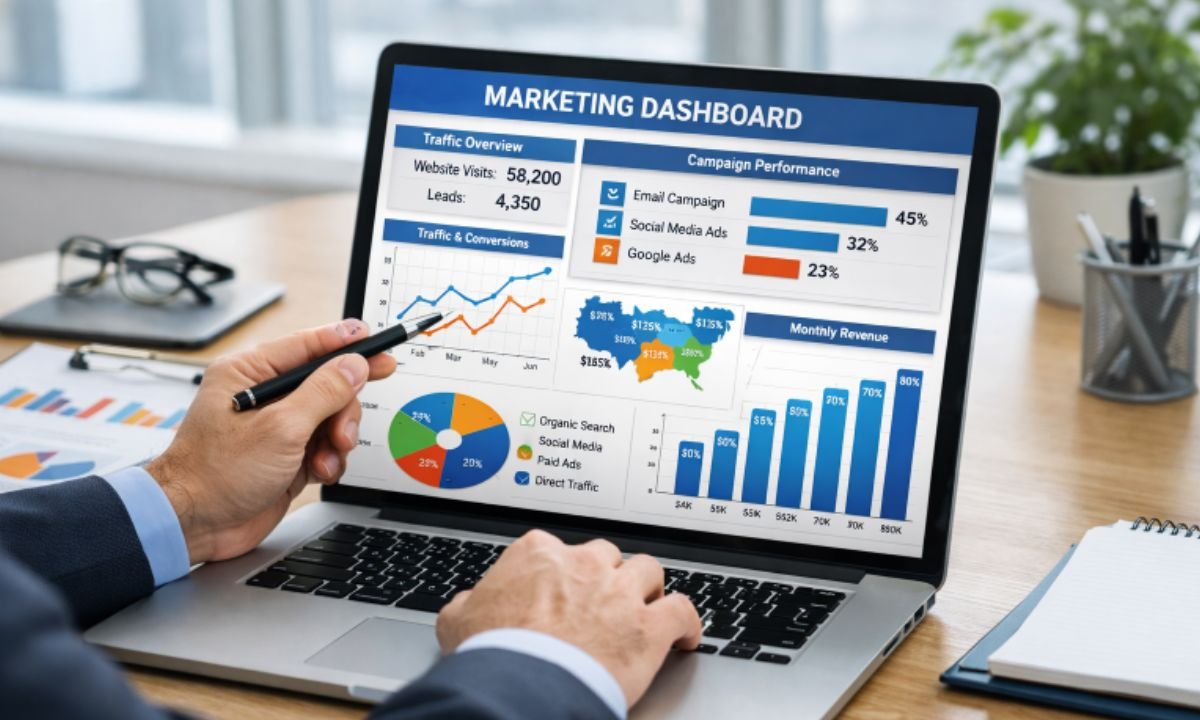
Successful organizations use dashboards and automated reporting to spot emerging behaviors, optimize underperforming segments, and deploy A/B tests to try new tactics. Embracing an experimental mindset reduces the risks that come with changing market conditions. By institutionalizing a test-and-learn approach, marketing teams grow more capable and confident in their strategic decision-making. This ultimately leads to greater resilience as companies face disruptions and quickly adapt their strategies to maintain momentum and deliver stronger business outcomes.
For businesses seeking to foster a culture of innovation, it is important to reward testing and learning, even if not every experiment results in direct success. Documenting findings, iterating on what works, and transparently sharing results with stakeholders will empower everyone in the organization to champion data-driven thinking at every level.
Data-driven marketing offers a substantial advantage in unlocking deeper customer insights and driving sustainable business growth. Through a dedication to collecting accurate first-party data, creating personalized experiences, leveraging advanced analytics, and integrating channels, companies can foster meaningful engagement and long-term relationships in an always-evolving digital environment.