








Key Takeaways
- Children’s oral health can influence comfort, eating, speaking, sleep, school participation, and confidence.
- Dental care works best when it reflects a child’s age, development, temperament, health history, and family routines.
- Preventive visits help identify concerns before they become painful or more complicated.
- Children with sensory, developmental, behavioral, or medical needs may benefit from flexible planning and additional support.
- Calm preparation and consistent home routines can make dental visits easier over time.
Children in Los Angeles grow up in busy households, active school communities, and routines that can change quickly. A child-centered dental approach recognizes that oral health is not limited to checking teeth for cavities. It also considers comfort, communication, eating habits, sleep, development, and the child’s ability to feel secure during care.
Families exploring a broader approach can review naturopathic pediatric dentistry Los Angeles through Hila Robbins, DMD, Inc. The practice’s Los Angeles profile describes Dr. Hila Robbins as a board-certified developmental pediatric dentist with an integrative, multidisciplinary perspective and experience caring for neurodiverse and developmentally challenged children. Located on the Westside, the practice serves families from Santa Monica, Beverly Hills, Culver City, the San Fernando Valley, Malibu, and surrounding Southern California communities.
Table of Contents
- Why a Whole-Child View Matters
- Oral Health, Growth, and Development
- The Value of Early Prevention
- Care That Fits the Child
- Accessible Care for Special Health Care Needs
- What Parents Can Do
- Questions for a Pediatric Dental Team
- Finding Child-Focused Care in Los Angeles
Why a Whole-Child View Matters in Pediatric Dentistry
A dental appointment can reveal more than whether a child has tooth decay. A pediatric dental team may notice habits such as mouth breathing, grinding, difficulty chewing, reluctance to brush, or fear that makes routine care hard. These observations do not define a child or suggest failure. They provide useful information for building a plan that feels manageable.
For example, a child who becomes anxious when entering a new room may do better with a short introductory visit, predictable language, and the chance to see instruments before they are used. When appointments are paced at a level the child can tolerate, future visits may become less stressful for both the child and the caregiver.
How Oral Health Connects With Growth and Development
Primary teeth matter because children use them to chew, speak, smile, and hold space for developing permanent teeth. When a child has dental pain, eating crunchy foods, sleeping through the night, concentrating in class, or joining play may become more difficult. Oral health is one part of overall well-being, even though each child’s experience is different.
Healthy eating also depends on what a child can comfortably chew. Families can discuss persistent chewing concerns, food avoidance, sensitivity, or discomfort with both the dental team and the child’s pediatrician when appropriate. This collaborative approach can help distinguish ordinary developmental phases from concerns that deserve closer attention.
The Role of Early Prevention
Prevention gives families a practical starting point. A regular dental home can provide age-appropriate guidance, track changes over time, and help caregivers understand their child’s individual cavity risk. Risk can be influenced by frequent sugary drinks or snacks, brushing habits, enamel differences, medications that affect saliva, access to care, and other factors.
Daily brushing, thoughtful snack routines, water between meals, professional exams, fluoride treatments when recommended, and sealants for appropriate teeth can all be part of prevention. The Centers for Disease Control and Prevention explains that children who brush daily with fluoride toothpaste have fewer cavities, while dental professionals can advise families on the right amount and technique for a child’s age.
Simple Prevention Habits
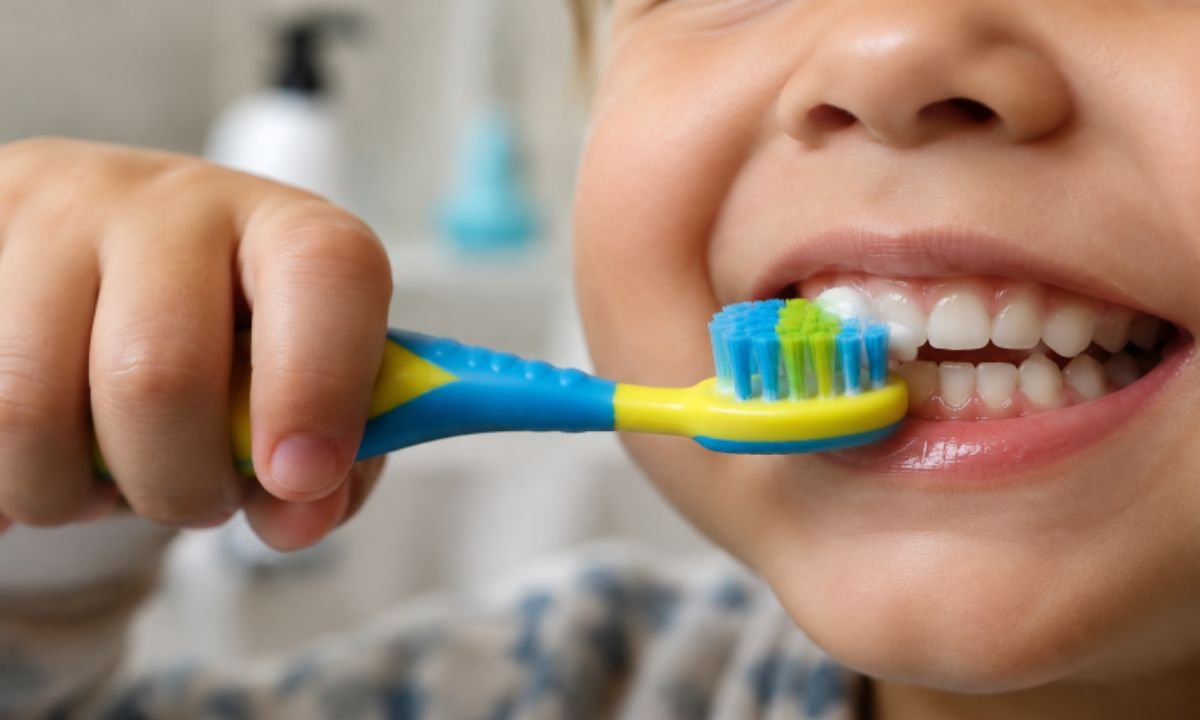
- Brush twice a day with a soft toothbrush and age-appropriate toothpaste guidance.
- Help young children brush until they have the coordination to clean thoroughly on their own.
- Offer water regularly, particularly after snacks and meals.
- Ask whether fluoride varnish or sealants are appropriate for the child’s risk level.
- Schedule a visit promptly when there is pain, swelling, injury, or a sudden change in eating.
Why Dental Care Should Fit the Child
No single appointment style works for every child. A toddler, a school-age child with a previous painful experience, and a teenager with sensory sensitivities may each need different communication and pacing. Effective care can include visual schedules, plain-language explanations, quiet waiting options, shorter visits, gradual exposure, caregiver input, and planned breaks.
Behavior during an appointment is communication. A child who turns away, cries, freezes, or cannot sit still may be signaling fear, sensory overload, fatigue, pain, or difficulty understanding what will happen next. Responding with patience and adaptation can be more productive than expecting every child to react the same way.
Making Visits More Accessible for Children With Special Health Care Needs
Special health care needs can include physical, developmental, sensory, behavioral, cognitive, emotional, or medical conditions that require added support. Some children may face a higher risk of oral disease, while others may have trouble finding a setting that accommodates their communication, mobility, medication, or sensory needs.
Before an appointment, caregivers can share medical history, medication lists, communication preferences, sensory triggers, mobility considerations, and calming strategies that have worked elsewhere. The American Academy of Pediatric Dentistry’s guidance on management of dental patients with special health care needs emphasizes individualized planning, preventive care, behavior support, and coordination with other health professionals when needed.
What Parents Can Do Before and Between Visits
- Use calm, simple language such as “The dentist will count your teeth.”
- Avoid promising that an appointment will never hurt, since honest preparation builds trust.
- Practice opening wide, counting teeth, and brushing for two minutes at home.
- Bring a comfort item if it helps the child settle.
- Keep health information current and write down questions before the visit.
- Maintain brushing and flossing routines even during busy school weeks, travel, or schedule changes.
Questions to Ask a Pediatric Dental Team
- How will this visit be adapted to my child’s age and communication style?
- What can we practice at home to reduce fear before the next appointment?
- How do you support sensory sensitivities or developmental differences?
- Which preventive steps matter most for my child’s current risk level?
- When should we call about pain, swelling, trauma, sleep changes, or eating changes?
- Can you coordinate with our pediatrician or other specialists if needed?
Finding a Child-Focused Dental Resource in Los Angeles
Los Angeles families have many options, so it helps to compare practices based on what will serve the child, not simply what is closest. Ask about pediatric training, preventive services, experience with sensory and developmental differences, emergency procedures, caregiver communication, and the team’s approach to gradual or anxious visits.
The most suitable office is one that listens carefully, explains recommendations clearly, and gives the family a realistic plan for home care and follow-up. A child does not need a perfect first appointment to make progress. Safe, respectful experiences can build familiarity one step at a time.
A Practical Path Forward
Good pediatric dental care protects teeth while supporting comfort, development, communication, and confidence. Families do not need to solve every concern at once. Begin with steady home habits, regular preventive care, and honest conversations with a dental team. The best plan is one that helps a child feel understood, safe, and ready to build healthy habits for years ahead.